

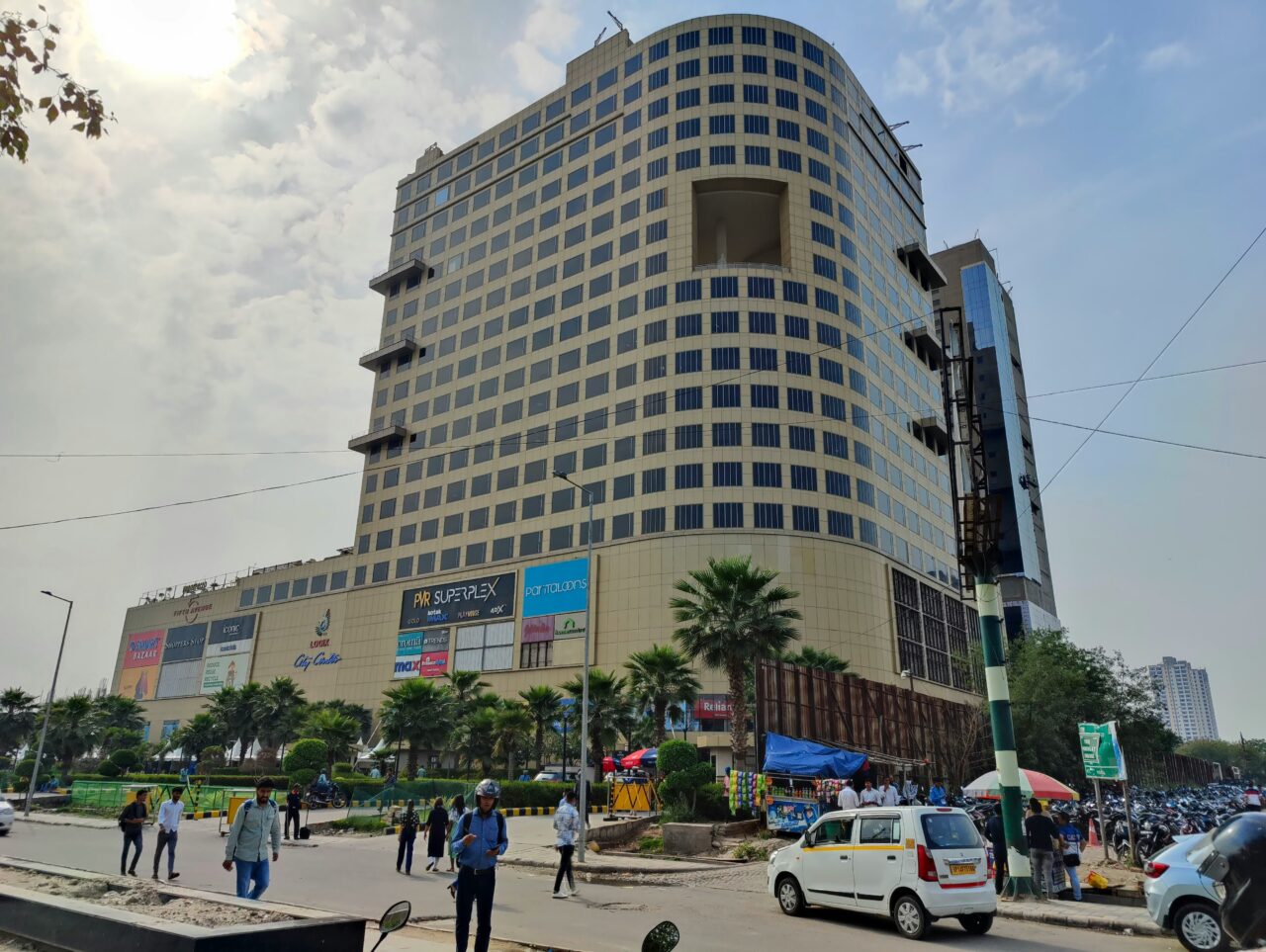
Building a commercial plaza in Peshawar is as much about smart design and leasing as it is about local compliance. Below are practical tips we use on real projects—focused on site choice, parking, structure, services, and approvals—so you can launch faster and operate profitably.
Table of Contents
-
- Pick the Right Site: Frontage, Access & Zoning
- Map Your Approvals Timeline Early
- Plan Parking & Circulation That Meets PDA Rules
- Use a Flexible Structural Grid (and Design for Seismic)
- Get Fire & Life Safety Right from Day One
- Size Vertical Circulation & Service Cores for Peak Loads
- Make MEP & Waste Systems Easy to Maintain
- Cut Energy Bills with ECBC-2023 Basics
- Fit-for-Purpose Retail Layouts (Depth, Frontage, Signage)
- 10) Phase Construction & Leasing to De-Risk Cash Flow
- Quick Approval & Design Checklist
- FAQs: Commercial Plaza Development (Peshawar)
- Sources (Official & Technical)
1) Pick the Right Site: Frontage, Access & Zoning
Shortlist plots with high visibility, safe entry/exit (prefer a right-turn refuge or service road), and utilities nearby. Confirm which authority controls your plot—Peshawar Development Authority (PDA) areas like Hayatabad vs. other TMAs—and check applicable building control regulations and land-use categories before you sign. The KP Land-Use & Building Control laws give the legal framework; PDA publishes its own Building Control Regulations. :contentReference[oaicite:0]{index=0}
2) Map Your Approvals Timeline Early
Time kills margins. Build approvals into your Gantt upfront. The Local Government portal lists service timelines for plan approvals: commercial plans outside the walled city ≈ 30 days, and inside the walled city ≈ 15 days, subject to complete submissions. Many submissions now route through the KP online building map approval system (LCBKP). :contentReference[oaicite:1]{index=1}
- Confirm your approving body (PDA vs. respective TMA).
- Submit architectural, structural, and services drawings with forms/fees per authority’s checklist.
- Track status on the online portal and keep a response log for timely clarifications. :contentReference[oaicite:2]{index=2}
3) Plan Parking & Circulation That Meets PDA Rules
PDA’s Building Control Regulations specify the minimum car parking standard for commercial/other buildings: “one car parking shall be provided for each 1,000 sq ft of gross covered area.” Treat this as the floor; busy retail or food courts often need more to avoid spillover. Lay out clear one-way aisles, a service/load zone, and accessible bays near entrances. :contentReference[oaicite:3]{index=3}
- Do a quick calc: 50,000 sq ft GCA ⇒ ≥ 50 car spaces by PDA minimum; consider demand-based add-ons for peak weekends. :contentReference[oaicite:4]{index=4}
- Provide separate goods access to keep trolleys/dollies off public aisles.
- Mark pedestrian paths and add weather-protected entries to cut slip hazards.
4) Use a Flexible Structural Grid (and Design for Seismic)
Choose a regular grid (e.g., 7–8.5 m) that fits parking below and modular shops above. Peshawar lies in Seismic Zone 2B under the Building Code of Pakistan (BCP-2007), so ductile detailing, proper joints, and checked load paths are non-negotiable. Align columns with future vertical expansions and keep cores where they won’t block retail fronts. :contentReference[oaicite:5]{index=5}
- Use experienced structural engineers and peer reviews for moment frames/shear walls.
- Detail stairs and parapets for seismic—loose parapets are a common failure mode. :contentReference[oaicite:6]{index=6}
5) Get Fire & Life Safety Right from Day One
Apply the Building Code of Pakistan – Fire Safety Provisions (2016) for exits, stair widths, fire-rated enclosures, alarms, hydrants, and water storage/pump rooms. Designing for fire early avoids expensive retrofits and protects tenants and NOI. :contentReference[oaicite:7]{index=7}
- Size stairs and doors to occupancy loads; protect escape routes with rated construction.
- Plan a dedicated fire water tank/pump room per code and leave clear access for responders. :contentReference[oaicite:8]{index=8}
6) Size Vertical Circulation & Service Cores for Peak Loads
Use at least one service lift separate from passenger lifts, with direct access to the loading bay and refuse room. Keep toilets and shafts stacked to limit maintenance downtime. On ground, prioritize barrier-free entry (ramp or flush threshold) and provide accessible WCs on every public floor.
7) Make MEP & Waste Systems Easy to Maintain
Compact, straight shafts reduce leaks and downtime. Give each shop a metering point, exhaust provision (esp. for F&B), and a condensate drain. Add a ventilated refuse room on ground and a grease trap for food courts. Position gensets to meet clearances and noise limits; large schemes may also trigger environmental approvals. The KP Environmental Assessment Rules (2021) set IEE/EIA processes and review times (IEE ≈ 45 days). :contentReference[oaicite:9]{index=9}
8) Cut Energy Bills with ECBC-2023 Basics
Pakistan’s Energy Conservation Building Code (ECBC-2023) sets minimums for envelope, HVAC, lighting, and controls. Even simple measures—roof insulation, solar-control glazing on west facades, high-efficiency ACs, and lighting controls—reduce operating costs and improve comfort for shoppers and staff. :contentReference[oaicite:10]{index=10}
- Target ECBC lighting power densities and automatic controls for common areas. :contentReference[oaicite:11]{index=11}
- Pre-plan rooftop for solar PV and leave a maintenance walkway.
9) Fit-for-Purpose Retail Layouts (Depth, Frontage, Signage)
Retail works best with clear sightlines and consistent shop depths—avoid columns at shopfronts and keep risers out of display zones. Provide coordinated sign bands and controlled façade lighting so the plaza reads as one address. Give anchor tenants rear service access and a slightly higher clear height to attract national brands.
10) Phase Construction & Leasing to De-Risk Cash Flow
Deliver in phases (shell & core first) so early tenants start trading while later wings complete. Secure pre-lets for anchors to unlock financing, and standardize fit-out guidelines (MEP points, signage, loading hours) to speed handovers. Use a BoQ-based contract with milestone QA and third-party testing for concrete and fire systems.
Quick Approval & Design Checklist
| Item | What to Prepare | Why it Matters | Reference |
|---|---|---|---|
| Authority & Zoning | Confirm PDA vs TMA; land use, coverage/FAR, height | Determines allowable size and submissions | PDA regulations; KP Land-Use Act :contentReference[oaicite:12]{index=12} |
| Plan Approval | Architectural, structural, services drawings; forms/fees | Approval SLA ~15–30 days depending on location | LGKP service timelines; Online portal :contentReference[oaicite:13]{index=13} |
| Parking Plan | Layout with counts, accessible bays, loading zone | Meets minimum 1/1,000 sq ft GCA (PDA) | PDA BCR-2024 (PDF) :contentReference[oaicite:14]{index=14} |
| Seismic Design | Ductile detailing; peer-review for frames/walls | Peshawar is Seismic Zone 2B | BCP-2007 (Seismic) :contentReference[oaicite:15]{index=15} |
| Fire & Life Safety | Exits, stairs, rated enclosures; hydrants, pumps, tank | Compliance & insurer requirements | Fire Safety Provisions 2016 :contentReference[oaicite:16]{index=16} |
| Energy Efficiency | Envelope, HVAC & lighting to code; PV-ready roof | Lowers OPEX; tenant comfort | ECBC-2023 :contentReference[oaicite:17]{index=17} |
| Environmental | IEE/EIA (if triggered), submission pack | Legal clearance; review timelines set in rules | KP EA Rules 2021 :contentReference[oaicite:18]{index=18} |
Book a consult
FAQs: Commercial Plaza Development in Peshawar
What approvals do I need to start a commercial plaza in Peshawar?
You’ll typically need: (1) plan approval from the relevant authority (PDA for Hayatabad/controlled areas or the concerned TMA elsewhere), (2) architectural, structural, and MEP drawings, (3) fee forms and ownership documents, (4) utility NOCs, (5) compliance with the Building Code of Pakistan for seismic and fire safety, and (6) an IEE/EIA if your project size/use triggers environmental assessment. Check the latest checklists and timelines on the official portals: PDA Downloads, LGKP – Approval of Building Plans, and KP EPA.
How much parking is mandatory for a commercial building?
Under the PDA Building Control Regulations (BCR-2024), the minimum standard for commercial/other buildings is commonly stated as 1 car space per 1,000 sq ft of gross covered area (GCA). Treat this as the floor: high-traffic retail, food courts, and events often need more. Confirm the latest table in the current BCR and any society-specific by-laws before freezing drawings. See: PDA BCR-2024 (PDF).
Is Peshawar in a seismic zone, and what does that change in design?
Yes. Peshawar falls in Seismic Zone 2B under the Building Code of Pakistan (Seismic Provisions-2007). That means your structural system and details must be engineered for ductility (proper reinforcement, confinement, joints, and connections) and reviewed by qualified engineers. Plan regular bays, align load paths, and secure non-structural elements (parapets, signage, MEP) for seismic safety. Reference: BCP 2007 (Seismic).
Do I need separate fire approvals or a fire safety design?
You must design to the Building Code of Pakistan – Fire Safety Provisions (2016) for exits, stair widths, rated enclosures, alarms, hydrants, and dedicated fire water storage/pump rooms. Plan this from day one; retrofits are costly and delay occupancy. Keep fire tender access clear and coordinate with the local authority/insurer on any pre-commissioning tests. Reference: Fire Safety Provisions 2016 (PDF).
When do I need an IEE/EIA, and how long does it take?
If your project’s size, location, or use crosses the thresholds in the KP Environmental Assessment Rules (2021), you’ll submit an IEE or full EIA. The rules define screening, documentation, public consultation (for EIAs), and statutory review timelines. Always confirm the latest category and checklist with KP EPA before tender. See: KP EA Rules 2021 (PDF).
How can I reduce operating costs without overcomplicating design?
Follow the national ECBC-2023 basics: cool/insulated roof, solar-control glazing on west facades, efficient HVAC, and lighting controls for corridors and parking. Leave clear roof zones for future solar PV. These moves cut energy bills and improve tenant comfort without changing your business model. Reference: ECBC-2023.
What should I include in tenant fit-out guidelines?
Provide: metering points, exhaust/grease-trap rules (for F&B), signage band sizes, shopfront standards, allowed trading hours, loading dock rules, noise/odour controls, and fire-stopping requirements for penetrations. Clear guidelines speed handovers and protect life-safety and building warranties.
Sources (Official & Technical)
- Peshawar Development Authority — Downloads / Rules; Building Control Regulations 2024 (PDF) — incl. commercial standards such as parking minimums. :contentReference[oaicite:19]{index=19}
- Local Government KP — Approval of Building Plans (service timelines); Approved Plans Dashboard. :contentReference[oaicite:20]{index=20}
- Seismic Design — Building Code of Pakistan – Seismic Provisions (2007); Peshawar noted as Zone 2B in peer-reviewed studies. :contentReference[oaicite:21]{index=21}
- Fire & Life Safety — BCP – Fire Safety Provisions (2016). :contentReference[oaicite:22]{index=22}
- Energy — Energy Conservation Building Code 2023 (ECBC-2023). :contentReference[oaicite:23]{index=23}
- Environment — KP Environmental Assessment Rules (2021). :contentReference[oaicite:24]{index=24}